A Beginner's Guide to Cheese
Types, Textures & Flavours Explained
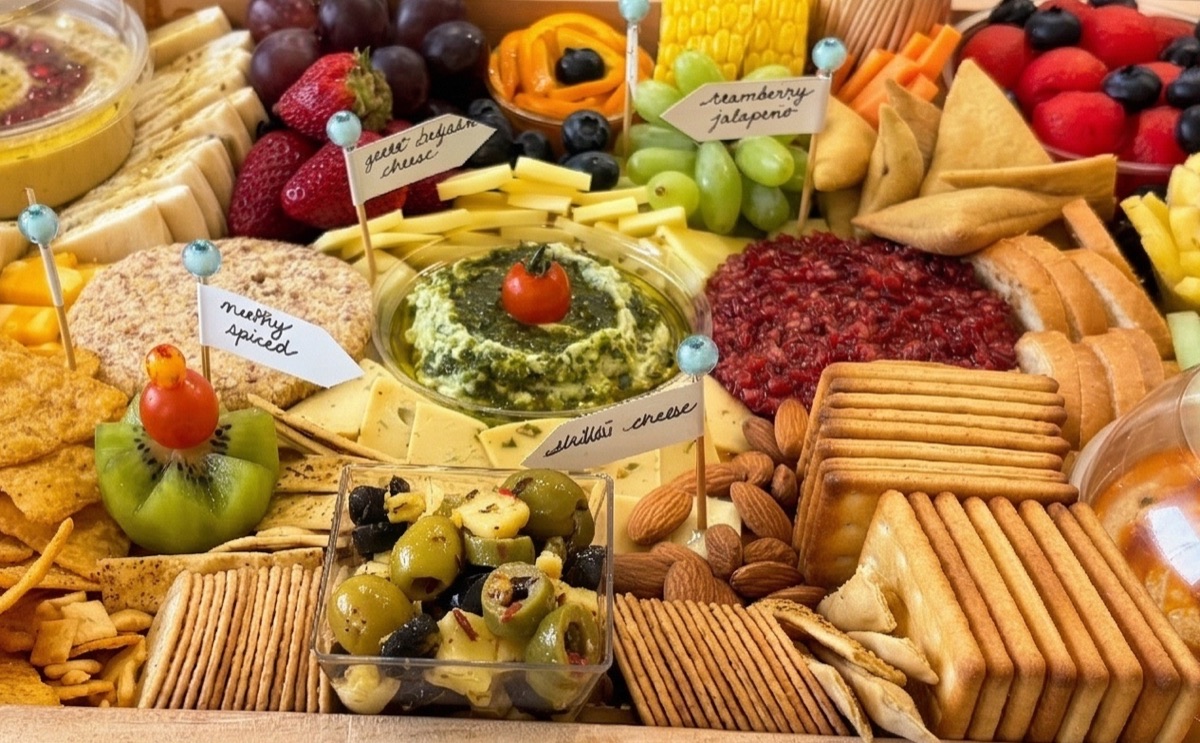
Let's be honest — walking into the cheese section of a store (or scrolling through a menu of cheese boards) can feel a little overwhelming if you're just starting out. There are so many names, so many textures, and you're not quite sure what half of them taste like or what to do with them.
I've been there too. When I first started curating cheese platters, I spent a lot of time tasting, experimenting, and figuring out which cheeses actually work well together — and which ones people in India genuinely enjoy.
So if you're curious about cheese but don't know your cheddar from your gouda, this guide is for you. No jargon. No snobbery. Just honest, practical notes on the cheeses that are worth trying — especially if you're building a cheese board or grazing platter for the first time.
First, Let's Talk Texture
Before diving into specific types, understanding texture is the easiest way to make sense of the cheese world.
- Soft cheese — creamy, spreadable, often mild. Think cream cheese, brie, or fresh mozzarella. These melt in your mouth and pair beautifully with crackers and fruit.
- Semi-soft cheese — smooth and pliable, easy to slice. Gouda and colby jack fall here. They're approachable, not too intense, and great for snacking.
- Semi-hard cheese — firm but not crumbly. Cheddar lives in this zone. These cheeses have more bite and hold up well on a cheese board alongside stronger accompaniments.
- Hard cheese — aged, dense, often crumbly. Parmesan and aged gouda are classic examples. They pack a lot of flavour into a small piece.
When I build a grazing platter, I always try to include a mix of textures — that contrast is what makes every bite feel different and keeps people reaching for more.
Some of Our Favourite Cheeses
Here are the cheeses that earn a regular spot on our boards — each chosen for its flavour, versatility, and the way it plays with everything around it.
Cheddar — The One Everyone Knows (and Loves)
If there's one cheese that needs no introduction, it's cheddar. It's the cheese most of us grew up eating — in sandwiches, on toast, melted over just about everything.
But here's what a lot of people don't realise: cheddar has a massive range. A mild, young cheddar tastes nothing like a sharp, aged one. Young cheddar is smooth, buttery, and easy-going. Aged cheddar is drier, crumblier, with a deep tangy bite that lingers on the palate.
On our cheese boards, cheddar is always the anchor. It's familiar enough that even the pickiest eater feels comfortable reaching for it, and flavourful enough to hold its own next to bolder cheeses. Pair it with grapes, a drizzle of honey, or a plain cracker — and you'll see why it's been the world's favourite cheese for centuries.
Flavour profile: Ranges from mild and buttery to sharp and tangy, depending on age.
Texture: Semi-hard. Firm, smooth, crumbles slightly when aged.
Best paired with: Grapes, apple slices, crackers, honey, walnuts.
Gouda — Sweet, Nutty, and Incredibly Versatile
Gouda (pronounced "how-da" in Dutch, though most of us say "goo-da" and that's perfectly fine) is one of those cheeses that surprises people the first time they try it properly.
Young gouda is mild, creamy, and slightly sweet — almost caramel-like. It's wonderfully easy to eat and pairs well with almost everything. Aged gouda is a completely different experience — it becomes hard, crystalline, intensely nutty, and rich. The little crunchy crystals you sometimes feel? Those are tyrosine, an amino acid that forms as cheese ages. They're a sign of a well-aged cheese.
Gouda works really well on Indian palates because of that natural sweetness. It doesn't have the sharpness that some people find off-putting in stronger cheeses. If you're introducing someone to cheese for the first time, gouda is almost always a safe bet.
Flavour profile: Sweet, caramel-like, nutty. Becomes more intense with age.
Texture: Semi-soft when young, hard and crystalline when aged.
Best paired with: Dried apricots, figs, almonds, dark crackers, mustard.
Colby Jack — Mild, Marbled, and Crowd-Friendly
That distinctive orange-and-white marbled cheese is colby jack — a blend of mild colby and buttery Monterey Jack. It's one of the smoothest, most approachable cheeses you'll find, perfect for beginners, kids, or anyone who thinks they don't like cheese.
On a grazing platter, colby jack adds visual interest with its marbled pattern and serves as a gentle starting point before guests move on to bolder flavours. I think of it as the friendly handshake of the cheese board — welcoming, easy, and universally liked.
Flavour profile: Very mild, buttery, slightly tangy.
Texture: Semi-soft, smooth, easy to slice.
Best paired with: Fresh fruit, mild crackers, pita bread, grapes.
Brie — Soft, Creamy, and Utterly Elegant
Brie is the quintessential soft cheese — and once you've tried a good one, it's hard to go back. Named after the Brie region of France, it has a soft, white rind and a creamy interior that grows more luxurious as it comes to room temperature.
The flavour is delicate and buttery with a gentle earthy note from the rind — mild enough for beginners, but interesting enough to win over anyone who tends to shy away from soft cheeses. The texture is what makes brie truly special: it almost melts on your tongue, which is why it works so beautifully on a cracker with a little fruit jam or honey.
Flavour profile: Delicate, buttery, with a mild earthy note from the rind.
Texture: Soft and creamy, almost spreadable when at room temperature.
Best paired with: Honey, fig jam, fresh strawberries, grapes, crusty bread, or plain crackers.
Flavoured Cheese — Where Things Get Exciting (Especially for Indian Palates)
Now, this is where it gets really interesting — and interestingly, this is the category that gets the strongest reactions on our platters.
Flavoured cheeses take a familiar base (usually cheddar or a semi-soft cheese) and infuse it with herbs, spices, fruits, or other ingredients. The result is something that feels familiar yet surprising — and for Indian palates that are used to bold, layered flavours, these are often the favourites on the board.
Some of our most popular flavoured cheeses:
- Chilli cheese — a spicy kick in every bite. If you love heat, this one's for you. It pairs brilliantly with plain crackers that let the chilli flavour come through.
- Cranberry jalapeño cheese — this is our signature, and people genuinely lose their minds over it. The sweetness of cranberry, the slow heat of jalapeño, the creamy cheese base — it's a combination that shouldn't work but absolutely does. This is the one guests always ask about.
- Chilli garlic cheese — bold, garlicky, with a good amount of heat. Very popular with people who enjoy strong flavours. Think of it as the extrovert on the cheese board.
- Basil pesto cheese — herbaceous, garlicky, with an Italian soul. The green colour makes it a visual standout on the board, and the flavour is fresh and aromatic.
- Nutty spiced cheese — mild seasoning, a subtle crunch from nuts, and a depth of umami flavour that's hard to describe until you try it.
- Smoked cheese — rich and deep with a campfire-like warmth. Not everyone's first pick, but the people who love it really love it.
Flavoured cheeses are what make our grazing platters feel distinctly ours. They bridge the gap between European cheese traditions and Indian flavour preferences — and in my experience, they're usually the first to disappear from the board.
Understanding Flavour Profiles — A Simple Framework
If you're just starting your cheese journey, here's a really simple way to think about cheese flavours. Every cheese sits somewhere on these four axes:
- Mild to sharp — how intense is the flavour? Colby jack is mild; aged cheddar is sharp.
- Sweet to savoury — gouda leans sweet; parmesan is firmly savoury.
- Creamy to crumbly — this is about mouthfeel. Brie melts on your tongue; aged gouda has a satisfying crunch.
- Subtle to bold — some cheeses whisper, some cheeses shout. Plain cheddar is the quiet confident one; cranberry jalapeño is the life of the party.
When you're building a cheese board — or even just choosing what to snack on — try to pick cheeses that cover different spots on these scales. That variety is what makes a cheese experience genuinely enjoyable rather than one-note.
Quick Pairing Tips for Beginners
You don't need a sommelier's vocabulary to pair cheese well. Here are some simple rules that work every time:
- Sweet + sharp — honey or grapes with aged cheddar. The sweetness tames the sharpness beautifully.
- Crunchy + creamy — a crisp cracker with a soft, spreadable cheese. Texture contrast makes both better.
- Spicy + mild — if you have a bold chilli cheese, eat it with a plain cracker or a piece of melon. The neutral element lets the cheese flavour shine without overwhelming you.
- Fruit + cheese — this is almost impossible to get wrong. Grapes, strawberries, dried apricots, figs — they all work because fruit's natural sweetness complements cheese's saltiness.
- Nuts + aged cheese — almonds with gouda, walnuts with cheddar. The crunch and the nuttiness amplify each other.
And honestly? The best pairing is the one you enjoy. There are no rules. If you like chilli garlic cheese straight off the board with nothing else — go for it. Cheese is about pleasure, not protocol.
What Works Best for the Indian Palate?
Having served hundreds of cheese boards across Delhi NCR, I've noticed some clear patterns in what Indian guests gravitate toward:
- Flavoured cheeses win over plain ones — almost always. Indians are used to layers of spice and flavour in food, so a plain mild cheese can feel underwhelming. But a chilli cheese or cranberry jalapeño? That clicks immediately.
- Sweet-and-spicy combinations are a hit — there's a reason our cranberry jalapeño cheese is our most talked-about item. That sweet-heat combination resonates deeply with Indian flavour instincts.
- Very mild cheeses need a companion — colby jack or mozzarella on their own can feel bland to Indian palates. But paired with a spicy dip or tangy chutney, they come alive.
- Smoked cheese is polarising — some people adore it, some people find it too intense. It's always worth including on a board, but don't make it the centrepiece.
The takeaway? If you're serving cheese to Indian guests, don't go all-mild. Include at least two or three flavoured varieties, offer plenty of accompaniments, and let people explore at their own pace.
Where to Start if You're Brand New to Cheese
If you're reading this and thinking "okay, but I've literally never had anything beyond processed cheese slices" — here's what I'd suggest:
Start with three cheeses: a good cheddar, a young gouda, and one flavoured cheese that sounds interesting to you. Put them on a plate with some crackers, grapes, and a handful of almonds.
Taste each one on its own first. Then try it with a cracker. Then with fruit. Notice how the flavour changes with each pairing. That's it — that's how you start understanding cheese.
Of course, if you'd rather not spend time hunting for cheeses and figuring out pairings, that's exactly why we curate our grazing platters the way we do. Each board is designed to offer a mix of textures, flavours, and accompaniments so that even first-time cheese eaters can explore confidently.
How We Choose Cheeses for Our Grazing Platters
When curating a grazing platter, we rarely choose cheeses based solely on popularity. Instead, we look for contrast. A creamy brie alongside a sharp cheddar, something familiar alongside something adventurous, and at least one flavoured cheese that sparks conversation.
If you're curious about the story behind how Gourmet Delights started and how we arrived at this approach, read about why I started creating grazing platters.
If you're curious about everything that goes into building one of our boards — the cheeses, the accompaniments, the thought behind each element — read our post on what goes into a grazing platter. And if you've ever wondered how a grazing platter differs from a cheese board or a charcuterie board, we've answered that in our piece on grazing platter vs cheese board vs charcuterie.
Frequently Asked Questions
What is the best cheese for beginners?
If you're new to cheese, start with cheddar, gouda, and a flavoured cheese. They are approachable and easy to pair with fruits and crackers.
Which cheese is best for a grazing platter?
A combination of soft, semi-hard, and flavoured cheeses creates the most balanced grazing platter.
What cheeses are most popular on your boards?
Our cranberry jalapeño cheese and pesto cheese are consistently among the most requested varieties.
Ready to Explore Cheese the Easy Way?
Explore Our Platters Download MenuHave a question? WhatsApp us →